The Electric C-HR Is Outselling the bZ Woodland Nearly 3 to 1
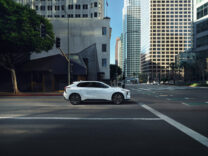
Toyota sold 7,215 electric C-HRs in the US through September, nearly three times the 2,600 bZ Woodlands it sold over the same stretch, even though both models went on sale in early 2026.
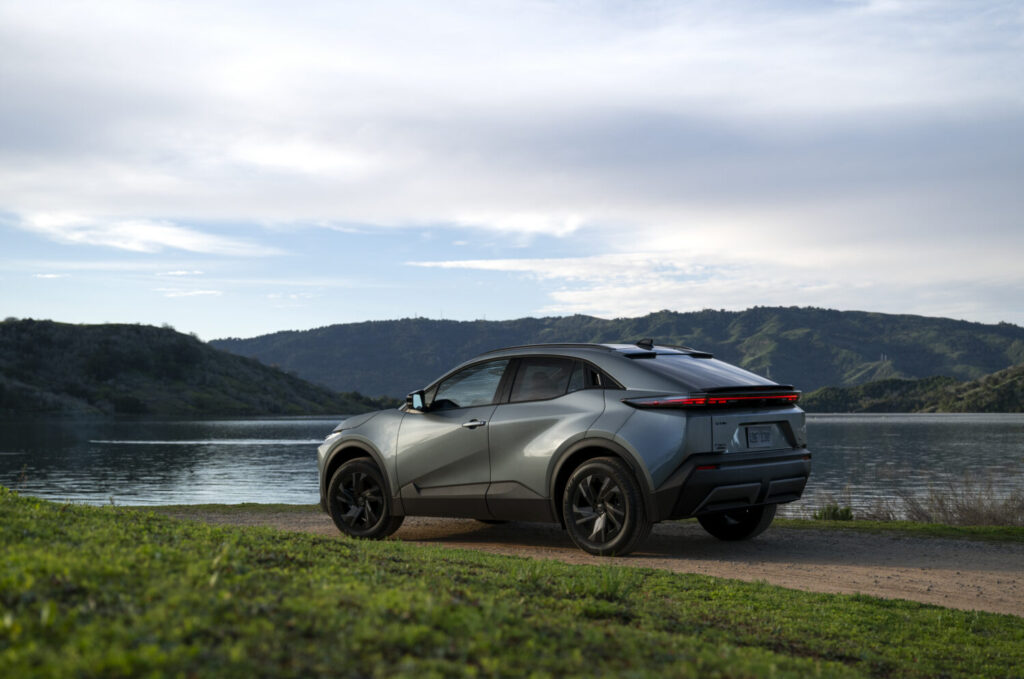
Toyota sold 7,215 electric C-HRs in the US through September, nearly three times the 2,600 bZ Woodlands it sold over the same stretch, even though both models went on sale in early 2026.
The gap says a lot about where EV buyers are spending their money. The C-HR starts at $37,000 before destination, while the bigger, more powerful and more outdoorsy bZ Woodland starts at $45,300, a difference of more than $8,000.
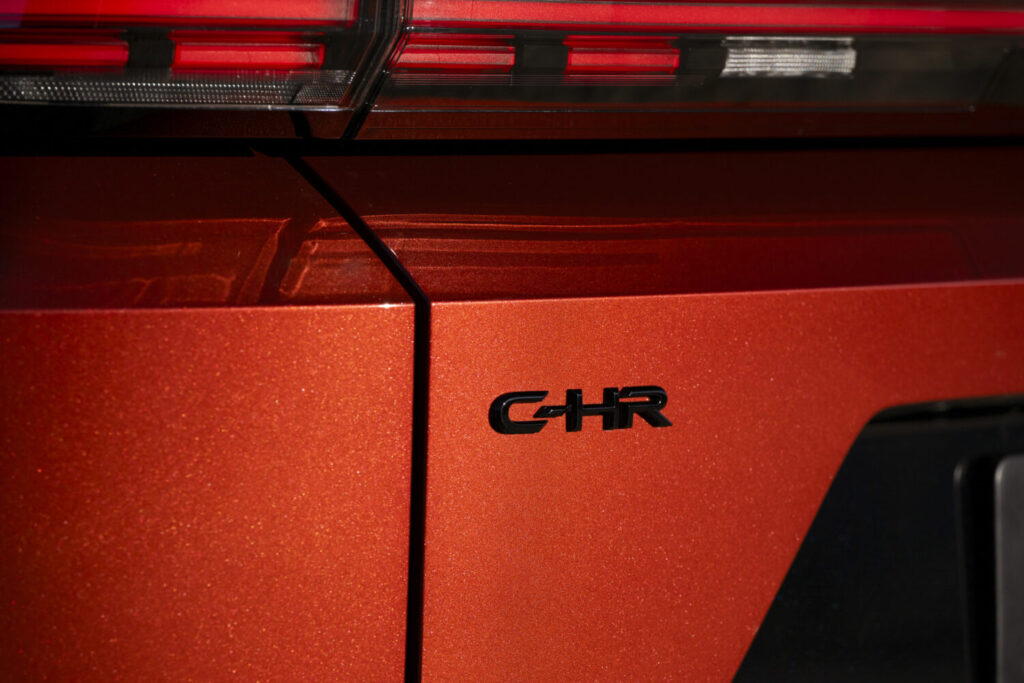
Toyota’s September sales release breaks out both models. The C-HR was already ahead in September, with 894 sales to the Woodland’s 686, though that month’s gap was much narrower than the year-to-date totals suggest. Neither model has a meaningful 2025 comparison, since the C-HR shows just three sales through September 2025 and the Woodland didn’t exist yet. Electrek pointed out that the two newcomers helped Toyota’s EV sales grow while much of the market shrank after the federal tax credit expired.
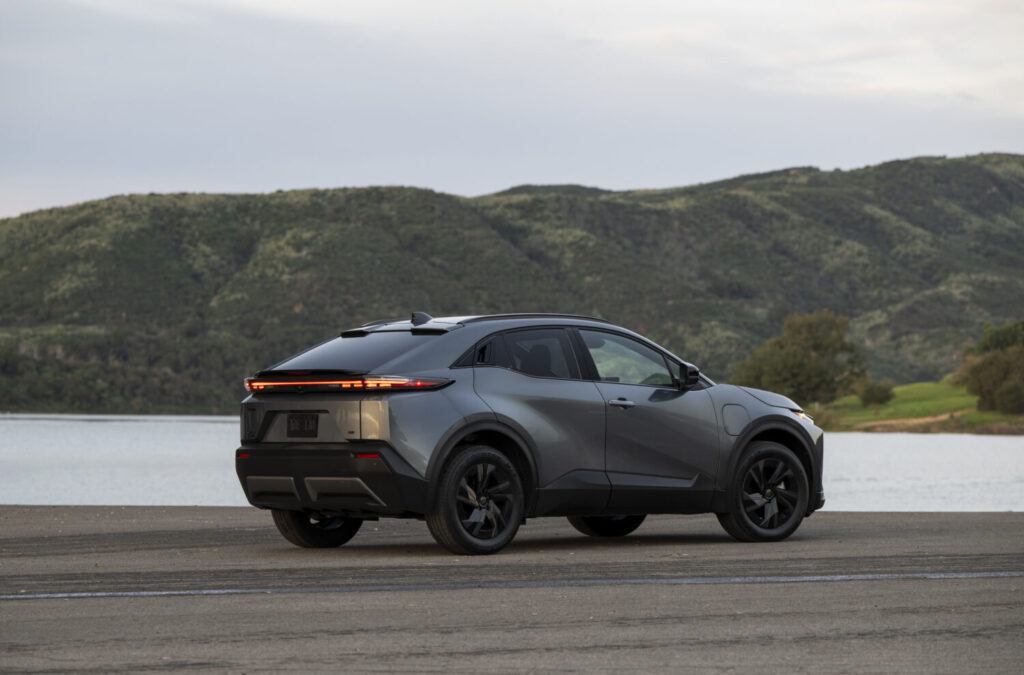
Both are built on the same e-TNGA platform as the bZ, but they aim at different buyers. The C-HR comes only with all-wheel drive, makes 338 hp and is rated at up to 287 miles of range, according to Toyota. The bZ Woodland makes 375 hp and is rated at 281 miles, or up to 260 miles with optional all-terrain tires, and its Premium grade costs $47,400, Electrek reported when Toyota announced pricing in February. The 2026 C-HR XSE starts at $39,000, according to Electrek’s January report, and all of those prices exclude the $1,450 destination fee.
Neither one comes close to the regular bZ, which Toyota sold 24,944 times through September, making it the brand’s best-selling EV by a wide margin. Together, the C-HR and bZ Woodland account for fewer than 10,000 sales, so the two newer models are still filling in around the bZ rather than replacing it.
The Toyota Report Take
The C-HR’s lead isn’t surprising, because it is cheaper and better looking than the Woodland, and most EV buyers in this segment care more about price and range than ground clearance. The narrower September gap is the more interesting number, and if the Woodland keeps closing in, it would suggest there is real demand for an electric Toyota that leans toward the outdoors. For now, though, the cheaper electric Toyota is winning, which should tell the company where to aim its next EVs.
Related
Toyota’s bZ Has Already Beaten Last Year’s Sales Total
Toyota sold 24,944 bZs in the US through September, more than double its total for the same period last year and already well past the 15,609 it sold…
A Headlight Fix Wasn’t Enough to Win the bZ an IIHS Award
Toyota fixed the 2026 bZ's headlights for SUVs built from June 2026 onward, but two middling crash-test scores still keep its electric SUV off the IIHS award list.
Toyota’s bZ Shed Its Old Name and Its Range Problem
The electric SUV Toyota used to call the bZ4X became simply the bZ for the 2026 model year, and the rename came with up to 314 miles of…
Comments (0)
Join the discussion