Toyota Will Build 3,000 Hydrogen Hiluxes a Year in Thailand
Under a plan Thailand approved on October 19, Toyota's hydrogen Hilux will be built in Thailand at a rate of 3,000 trucks a year starting in December 2027, on a converted line at the Ban Pho plant.
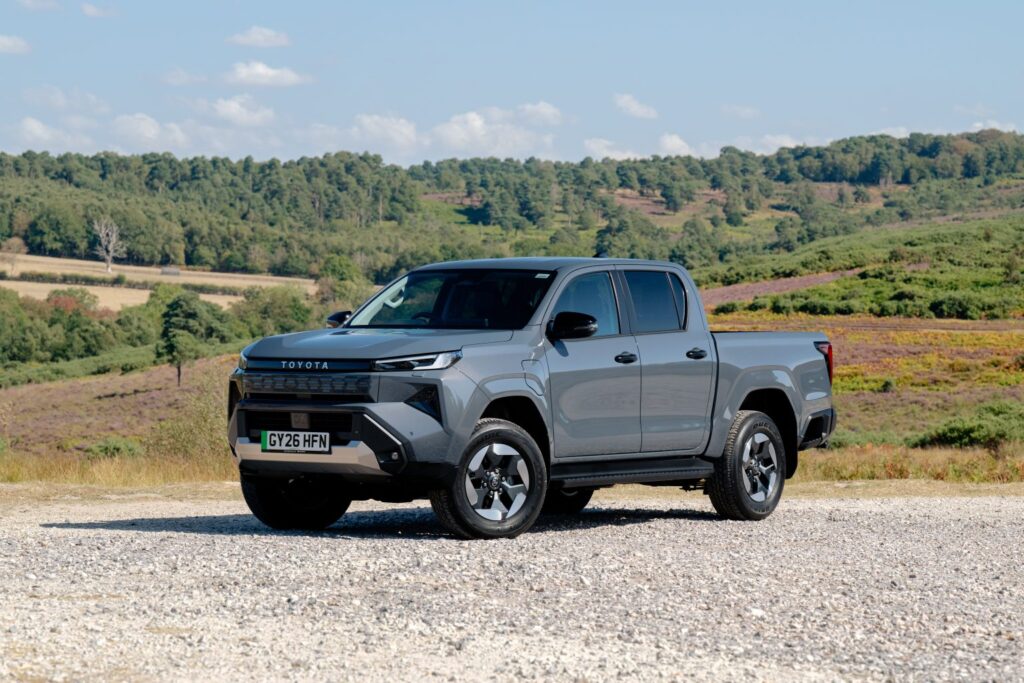
Under a plan Thailand approved on October 19, Toyota’s hydrogen Hilux will be built in Thailand at a rate of 3,000 trucks a year starting in December 2027, on a converted line at the Ban Pho plant.
The line will get its own hydrogen filling station. The plan comes with a 1.49 billion baht investment, roughly $44 million, that Thailand’s Board of Investment has approved for Toyota Motor Thailand, and every one of the first trucks is meant for export to Europe, Australia and New Zealand. Toyota has said publicly only that a fuel cell version of the new Hilux is scheduled for Europe and Oceania from 2028, so the Thai filing is the first look at where the trucks will come from and how many there will be.
The details were announced by the Board of Investment on October 19 and reported by The Nation in Bangkok, which quoted the board’s secretary general, Narit Therdsteerasukdi, as saying that Toyota "has continued to place confidence in Thailand throughout more than 60 years of investment." Toyota itself has not confirmed the Thai production plan in a release of its own, so the production date and volume come from the Thai filing rather than from the automaker. Just Auto and MarkLines carried the same figures.
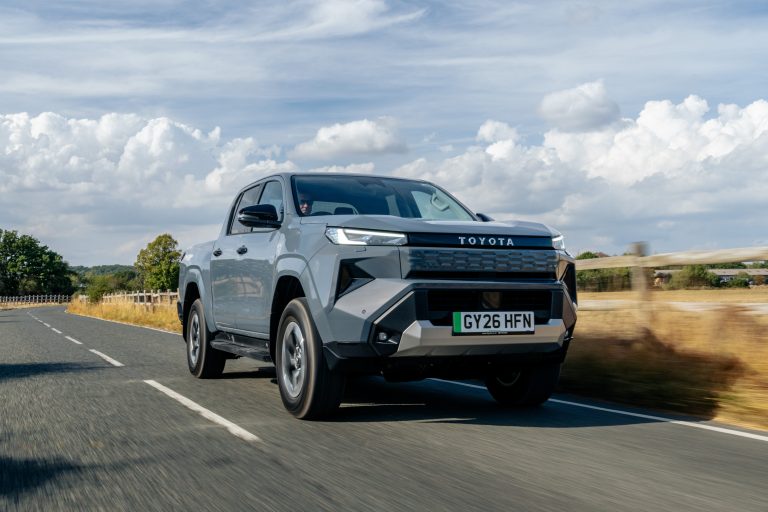
Rather than build a separate factory, Toyota will add the fuel cell truck to the existing Hilux line at Ban Pho, in Chachoengsao province east of Bangkok, and add workstations to assemble the hydrogen tanks, fuel cell stacks, battery packs, electric motors and power control units. A hydrogen refueling station inside the plant will serve production and testing. The project calls for about 640 million baht a year of Thai-made parts, among them air conditioning and cooling systems, seats, wheels and tires, wiring harnesses and interior trim, and Toyota has agreed to transfer manufacturing, quality control, safety and environmental know-how to local suppliers. The board counts the project as the first hydrogen fuel cell pickup production in Thailand, and says it had approved 203 electric vehicle projects worth more than 141 billion baht as of September.
The truck itself is the ninth-generation Hilux that Toyota unveiled in Bangkok last November with a battery electric model alongside the diesel. That release committed to a fuel cell version for Europe and Oceania from 2028. At the IAA Transportation show in Hannover in September, Motor1 reported, Toyota put targets on it: 248 miles of range on the European WLTP cycle, towing of up to 5,512 pounds, and a fuel cell system derived from the Mirai sedan, with corporate fleets and leasing companies as the first customers. By comparison, the electric Hilux that Toyota showed in Bangkok carries a 59.2 kWh battery, makes 144 kW from two electric axles and targets about 186 miles on the older NEDC cycle.
None of this is headed to the United States. The Hilux is not sold here, the Tacoma fills its slot, and Toyota has said nothing about a fuel cell pickup for American buyers. The relevance for this side of the Pacific is what the Thai plant says about Toyota’s hydrogen priorities: a small, export-only run of fuel cell pickups for fleet customers, while the company’s American hydrogen effort stays focused on the Mirai and on heavy trucks in California. Toyota Motor Thailand has been building vehicles since 1962, runs three plants with a combined capacity of about 770,000 vehicles a year, and employs more than 13,000 people, which makes it one of the company’s largest manufacturing bases outside Japan.
The Toyota Report Take
Three thousand trucks a year is a rounding error next to the Hilux’s volume, and that is the point. Toyota is not betting the pickup on hydrogen, it is building just enough fuel cell Hiluxes to learn how fleet customers use them in the two regions that are at least trying to build hydrogen stations, and it is doing it on a line it already owns in a country that will pay it to try. Europe has roughly 200 hydrogen stations, so the first customers will be the fleets that can fuel at their own depots. If that works, the lesson arrives in America through the trucks that really need it, the Class 8 rigs hauling containers out of California’s ports, long before anyone sees a hydrogen Tacoma.
More on the Hilux
Related
A Thai Company Wants to Sell You a $24,950 Toyota Pickup
A Thai upfitter called Rok Trucks says it will sell the small Toyota Hilux Champ pickup in the US for $24,950, destination included.
Toyota Expects to Sell Just 500 Electric Hiluxes in Australia
Toyota Australia expects to sell only about 500 electric Hiluxes in 2026, in a market where it sold more than 51,000 diesel versions of the same truck last…

A Wheel Bearing Cost Toyota’s New Dakar Hilux a Podium
Toyota's redesigned DKR GR Hilux led the 2026 Dakar Rally on debut, but a late wheel bearing failure ended Henk Lategan's podium run.
Comments (0)
Join the discussion