Toyota and BMW Are Handing Out Free Rides in Hydrogen Cars
Toyota and BMW will let families in Japan ride in their hydrogen fuel cell cars for free on December 13.
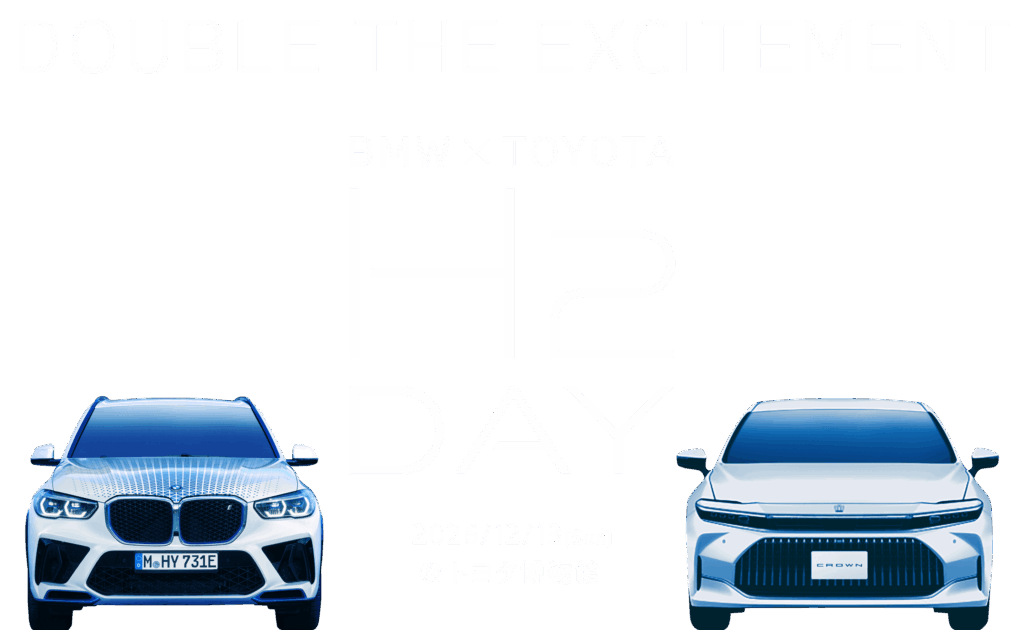
Toyota and BMW will let families in Japan ride in their hydrogen fuel cell cars for free on December 13. The one-day event, called H2 Day, takes place at the Toyota Automobile Museum in Nagakute, Aichi Prefecture.
The two companies will offer rides of about 30 minutes in the Toyota Crown FCEV, the fuel cell version of the Crown sedan, and in the BMW iX5 Hydrogen, a left-hand-drive prototype. There are ten ride slots through the day, each taking two groups of up to three people, and places will be drawn by lottery if more people apply than there are seats.
Admission is free. The details come from the event’s official site, which lists the event as running from 10 a.m. to 4 p.m., and from a report by Car Watch. Applications for the rides and for the sports sessions opened on November 13 and close at 5 p.m. on November 23.
Beyond the rides, the program includes batting and pitching games with Toyota’s own athletes, two sessions with room for 20 groups of up to four people each, with handshakes, autographs and photos. Children at least 115 centimeters tall can drive the FC-PIUS, a small fuel cell vehicle, without booking ahead, and visitors can try food cooked on a hydrogen grill and coffee roasted with hydrogen. Car Watch reports that a Crown FCEV and BMW’s new X5 will also be on display. Toyota Coniq Pro runs it.
Toyota and BMW have worked together on environmental technology, including fuel cells and sports cars, since agreeing to a long-term partnership in 2011, and in 2024 they signed an agreement to deepen their hydrogen work, including jointly developing a third-generation fuel cell system. Car Watch also notes that Aichi Prefecture, Toyota’s home, is promoting hydrogen taxis and wants 250 of them on its roads by fiscal 2030.
The Toyota Report Take
A family day at a museum is not a product launch, but it says a lot about where hydrogen cars stand. Toyota and BMW still have to put people in the seat one 30-minute ride at a time to make the case, and they are doing it together because neither can build a hydrogen market alone. The more telling detail is the shared third-generation fuel cell: if hydrogen cars ever reach American showrooms in real numbers, that jointly developed system is the most likely thing under the hood, whichever badge is on the front.
Related
Toyota Crown Deals for November 2026: Leases From $449 a Month
Toyota is offering the 2027 Toyota Crown XLE on a lease from $449 a month and financing from 4.99% for 48 months on the 2026 Toyota Crown this…
Japan Gets a Cheaper Crown Signia Plug-In the US Does Not
Toyota has added a second plug-in hybrid grade and a new entry hybrid to the Crown Estate in Japan, the wagon-bodied Crown that Americans know as the Crown…
The 2027 Crown’s New Hybrid Loses 3 MPG on the Highway
The 2027 Toyota Crown's new fifth-generation hybrid is officially rated at 42 mpg city, 38 highway and 40 combined, and that is 3 mpg worse on the highway…
Comments (0)
Join the discussion