Toyota’s GR86 Race Car Just Ran on Tires Made From Old Tires
A Toyota GR86 race car has run a full Super Taikyu weekend in Japan on tires made partly from scrapped tires.
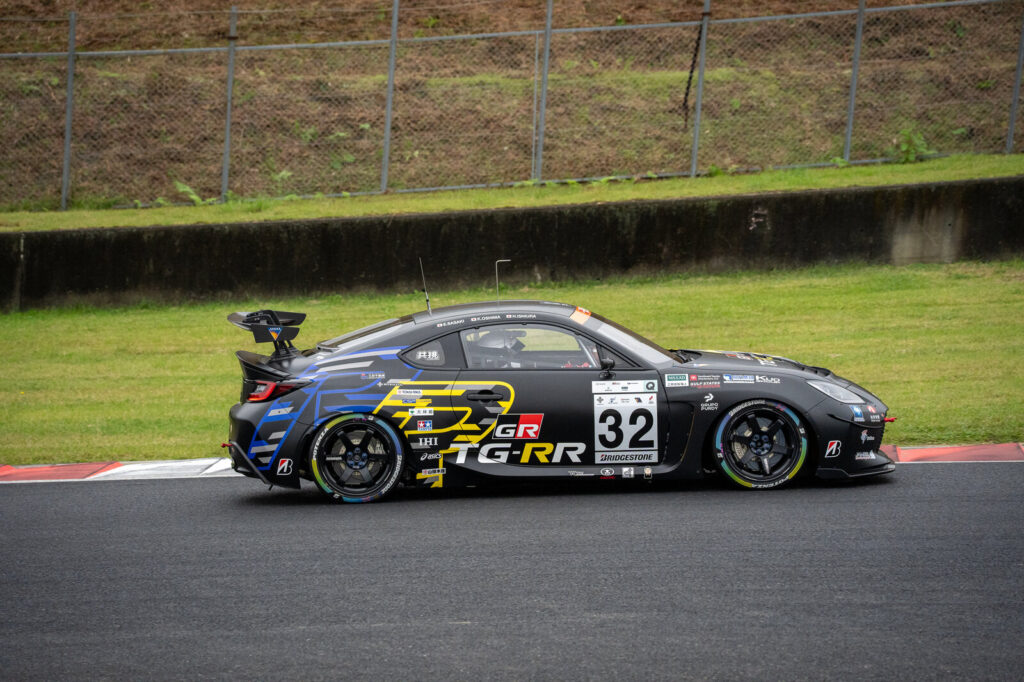
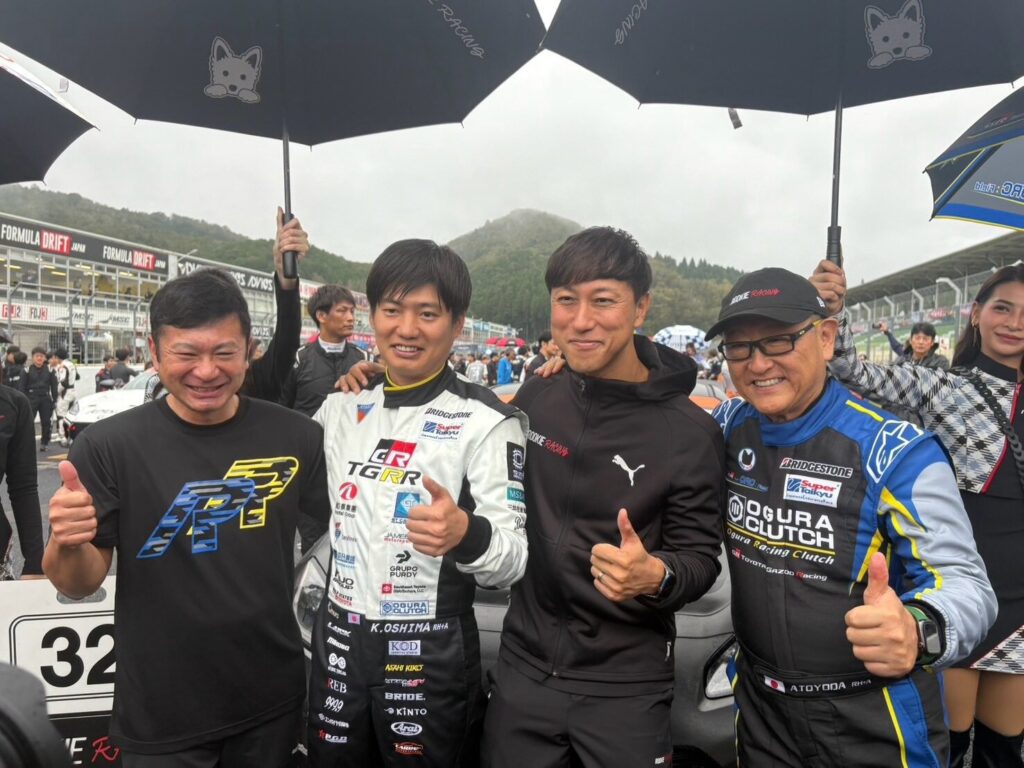
A Toyota GR86 race car has run a full Super Taikyu weekend in Japan on tires made partly from scrapped tires. One of its drivers says the tires felt no different from standard ones. The #32 TGRR GR86 Future FR concept used the Bridgestone tires, made with carbon black recovered from old tires, in practice, qualifying and the race at Round 6 of the series at Okayama International Circuit on October 24 and 25.
The car ran in the ST-Q class alongside the #12 Mazda Spirit Racing RS Future concept, which used the same tires. Driver Hiroaki Ishiura, who shared the GR86 with Eisuke Sasaki and Kazuya Oshima, said the tires "didn’t feel any different from standard tires in terms of grip or performance over time."
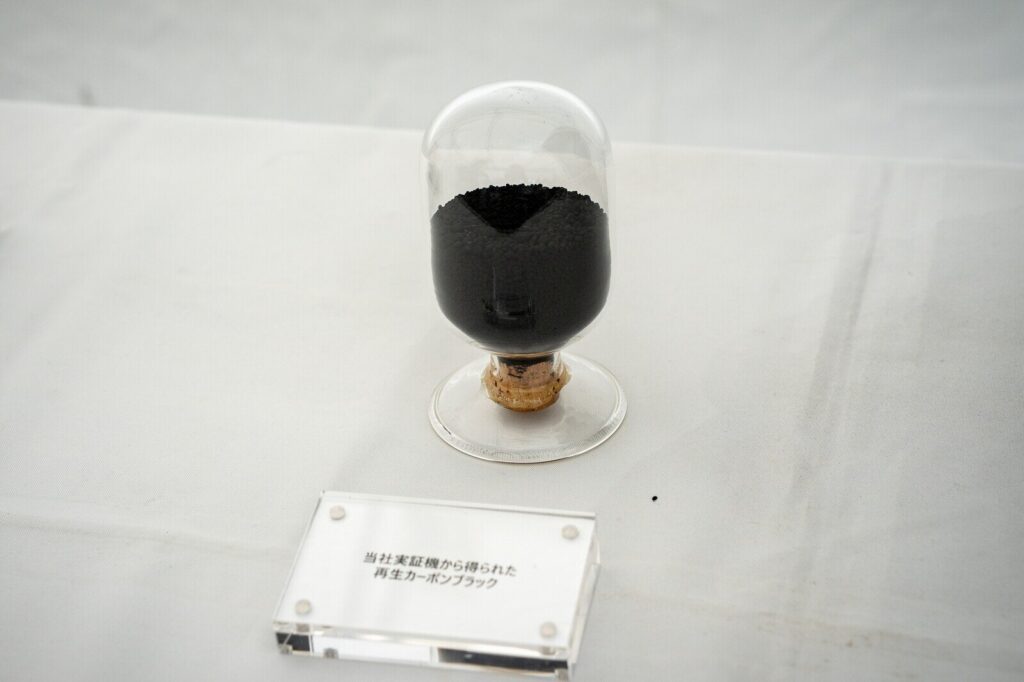
The details come from a Toyota Times report, the company’s own news channel, on a briefing Bridgestone gave at the event. Carbon black is the filler that makes tires black and reinforces the rubber. Bridgestone’s process, which it calls precise pyrolysis, shreds old tires, pulls out the steel with magnets for separate recycling, and then heats what is left without oxygen so that it breaks down into pyrolysis oil and recovered carbon black. The oil goes to the energy company ENEOS, which turns it into naphtha and other feedstocks for synthetic rubber, and Bridgestone says the carbon black now comes out clean enough for racing tires.
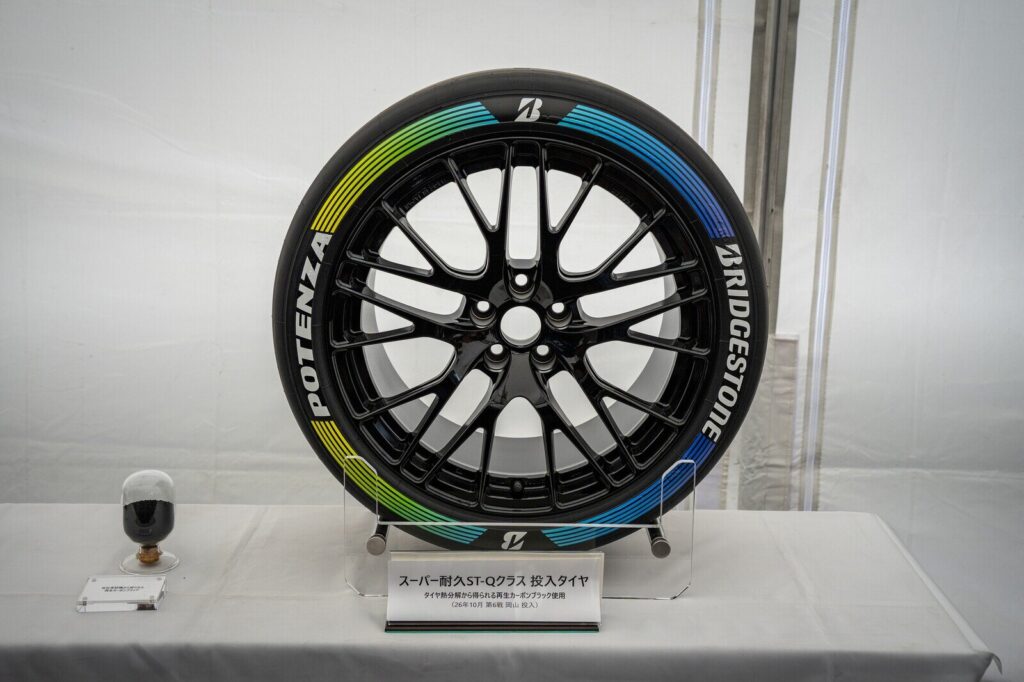
Bridgestone compared the job to getting "the flour, eggs, and cabbage out of cooked okonomiyaki," the Japanese savory pancake. The point is what Toyota Times calls horizontal recycling, turning old tires back into new tires. More than 99 percent of Japan’s scrapped tires are already reused, but most are burned as fuel in factories, which releases carbon dioxide.
The work started in 2022, pyrolysis experiments began in 2023, and tires made with recovered carbon black were first used in 2025 at the Bridgestone World Solar Challenge across Australia. Bridgestone plans to open a pilot demonstration plant for the process in Gifu Prefecture in September 2027. Toyota Times says the share of recycled material in each tire and the cost of the process remain hurdles.
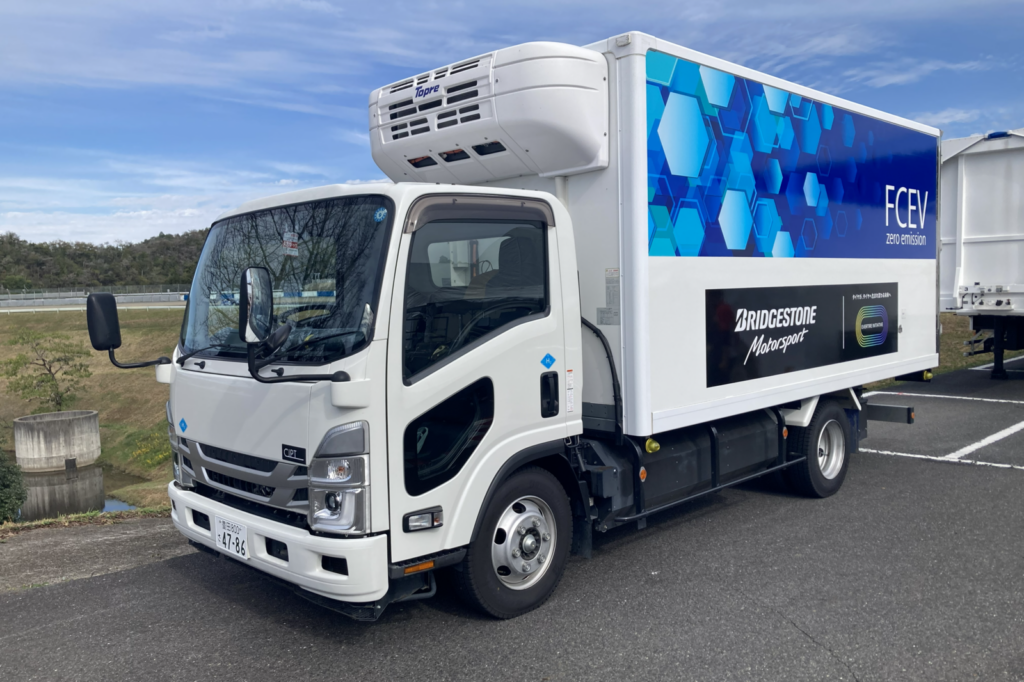
Even the delivery was part of the test. Bridgestone borrowed one of Toyota’s fuel cell trucks to carry 60 tires about 700 kilometers from its motorsports logistics hub in Musashimurayama, Tokyo, to the circuit.
Akio Toyoda, who races as Morizo, was also in the ST-Q class that weekend in the #28 car. Eiichi Suzuki, who heads Bridgestone’s Motorsports Operations Division, said, "At Bridgestone, we strive to develop technologies that will move beyond motorsports out into the wider world."
The Toyota Report Take
Super Taikyu’s ST-Q class has become Toyota’s favorite public lab, and this is a good use of it. A race weekend is a harsh test of rubber, and a professional driver saying he felt nothing different is a better endorsement than any lab sheet. The catch is the one Toyota Times admits, which is cost and how much recycled content can go into a tire. If Bridgestone’s Gifu plant can bring those numbers down, this is the kind of quiet materials change that ends up on the tires of an ordinary Corolla or RAV4 years from now without anyone noticing, which is exactly how it should work.
Related

Toyota’s Forgotten Baby Sports Car May Return Even Smaller
Toyota is reportedly weighing a production S-FR, reborn as a rear-wheel-drive kei car built to Japan's micro-car rules, for as early as 2027.

GR86 Brembo Brakes Cost Twice as Much the Second Time
New pads and rotors for a Toyota GR86 with Brembo brakes come to $5,028.34 at Toyota's suggested retail prices, while the factory package that adds those brakes costs…

Toyota Races a GR86 Without Its Boxer Engine
Toyota raced a GR86 concept at Okayama over the weekend of October 24 with a new naturally aspirated 2.0-liter inline-four in place of the production car's Subaru boxer…
Comments (0)
Join the discussion