Toyota’s bZ Shed Its Old Name and Its Range Problem
The electric SUV Toyota used to call the bZ4X became simply the bZ for the 2026 model year, and the rename came with up to 314 miles of range and a lower starting price.
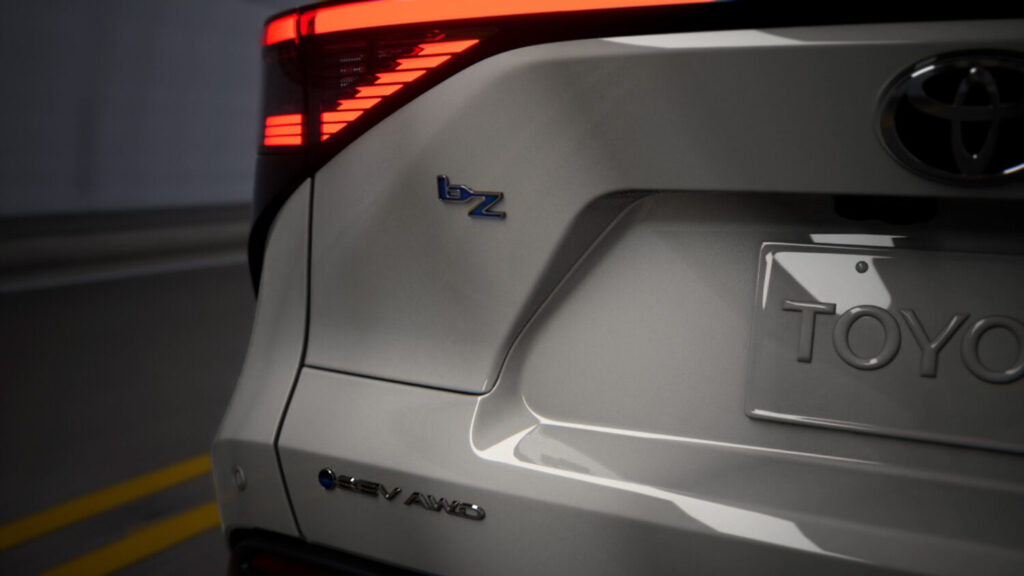
The electric SUV Toyota used to call the bZ4X became simply the bZ for the 2026 model year, and the rename came with up to 314 miles of range and a lower starting price.
Every 2026 bZ except the base model gained at least 56 miles of range over the 2025 bZ4X it replaced, and the front-drive XLE Plus now leads the lineup at 314 miles, 62 more than the old model’s best. Only the entry-level XLE got cheaper, dropping $2,170 to $36,350 including destination, but it does so with a smaller battery, 168 hp instead of 201, and 236 miles of range, which is 16 fewer than before.
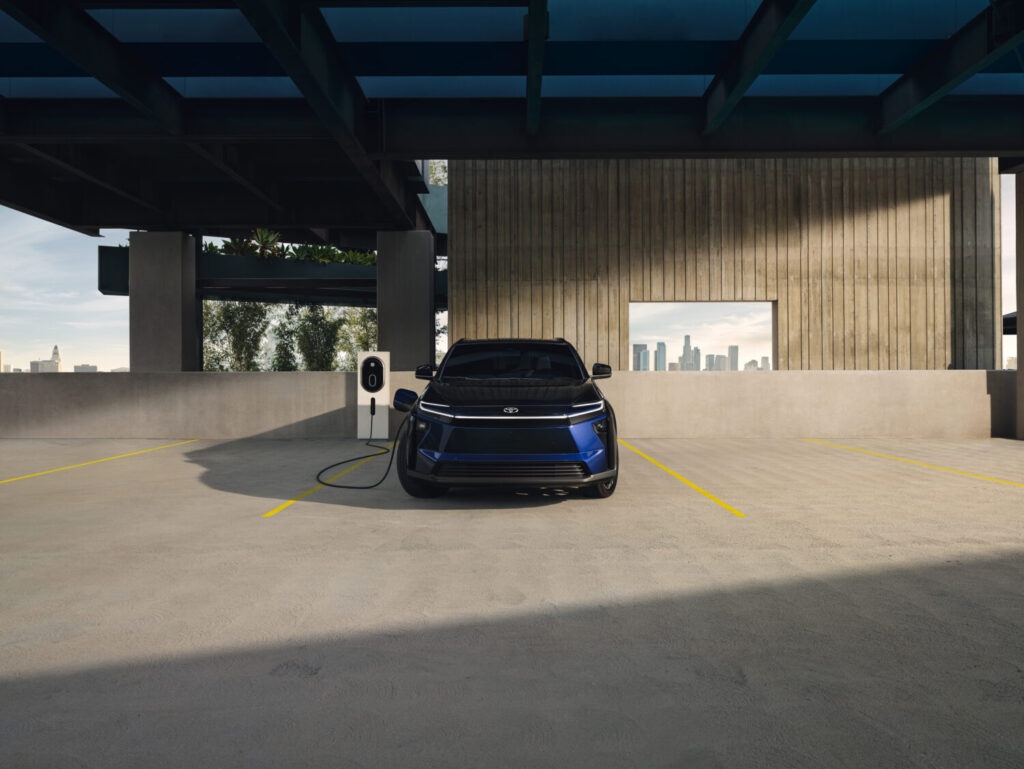
InsideEVs broke down the full lineup when Toyota announced pricing. Every version above the base car uses a 74.7-kWh battery, up from 72.8 kWh in most 2025 models, and the dual-motor AWD versions now make 338 hp, 124 more than before. The other trims each cost between $750 and $1,500 more than the bZ4X versions they replaced, and InsideEVs listed the prices with the $1,450 destination fee included:
| 2026 bZ | Price with destination | Range | Change in range vs. 2025 |
|---|---|---|---|
| XLE FWD | $36,350 | 236 mi | -16 mi |
| XLE FWD Plus | $39,350 | 314 mi | +62 mi |
| XLE AWD | $41,350 | 288 mi | +60 mi |
| Limited FWD | $44,750 | 299 mi | +63 mi |
| Limited AWD | $46,750 | 278 mi | +56 mi |
Charging improved too, though not where it matters most on road trips. The bZ now has a factory NACS port, so CCS stations need an adapter, and its onboard AC charger grew from 7.4 kW to 11 kW for faster charging at home. The maximum DC fast-charging rate stayed at 150 kW, which InsideEVs pointed out is about half of what many newer EVs can take. Standard equipment on every trim includes a 14-inch touchscreen with wireless Apple CarPlay and Android Auto, dual-zone automatic climate control, digital key compatibility and Toyota Safety Sense 3.0.
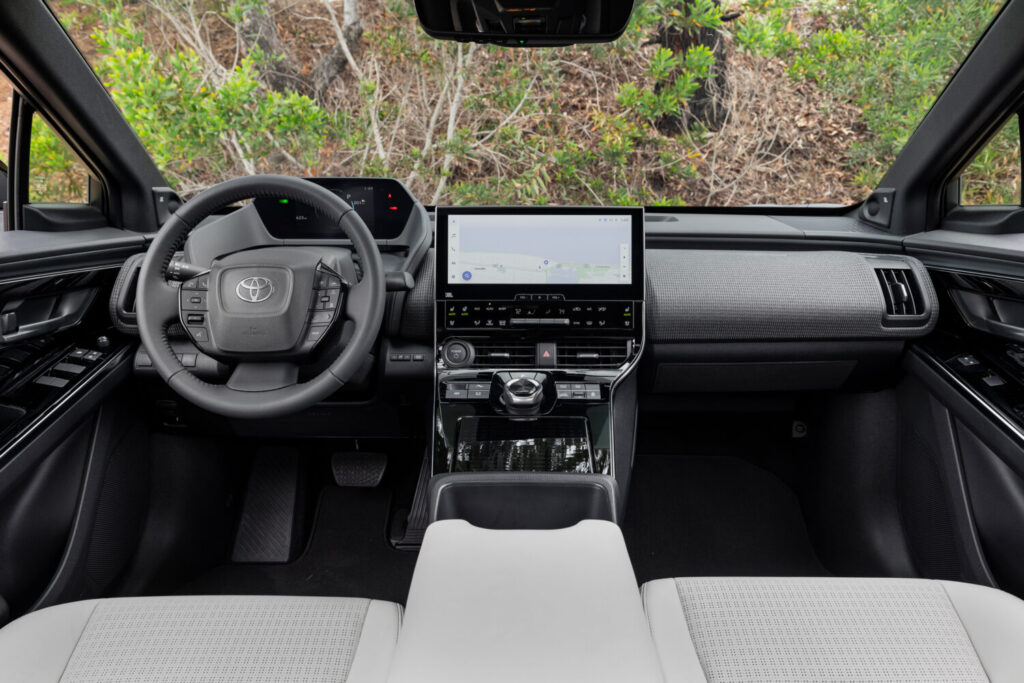
The bZ also undercuts the newer electric C-HR, which shares its e-TNGA platform. Electrek noted that the bZ starts at $34,900 before the $1,450 destination fee, while the all-wheel-drive-only C-HR starts at $37,000. For 2027, Toyota left the bZ unchanged except for an $80 price increase across the board, bringing the base model to $34,980, according to autoevolution.
The Toyota Report Take
The bZ4X’s biggest weakness was always range, and Toyota fixed it in the most direct way possible, with bigger batteries and more power rather than a gimmick. The base XLE is the one exception, since it trades range for price, and most buyers should spend the extra $3,000 on the FWD Plus, which goes 78 miles farther. The 150-kW charging cap is the one place where the bZ still feels a generation behind, and Toyota should fix it before the next update rather than leaving buyers to wait at fast chargers.
Related
2026 Toyota bZ Woodland Recalled Over Stability Control Issue
An electrical short circuit may occur within the tow converter printed circuit board, which can deactivate the electronic stability control system and cause the brake lights to remain…
2026 Lexus RZ and Toyota bZ Recalled Over Loss of Drive Power
The electronic control unit (ECU) that controls the high voltage battery may experience a fault, resulting in a loss of drive power.

2022-2026 Lexus and Toyota Models Recalled Over Rearview Camera Issue
A software error may cause the rearview camera to freeze or display a blank screen when the vehicle is in reverse.
Comments (0)
Join the discussion