Toyota Wants the Same Tariff Break Audi Got
Toyota has asked the Commerce Department whether the tariff relief promised to Audi for a new Georgia plant also covers its $3.6 billion second assembly line in San Antonio.
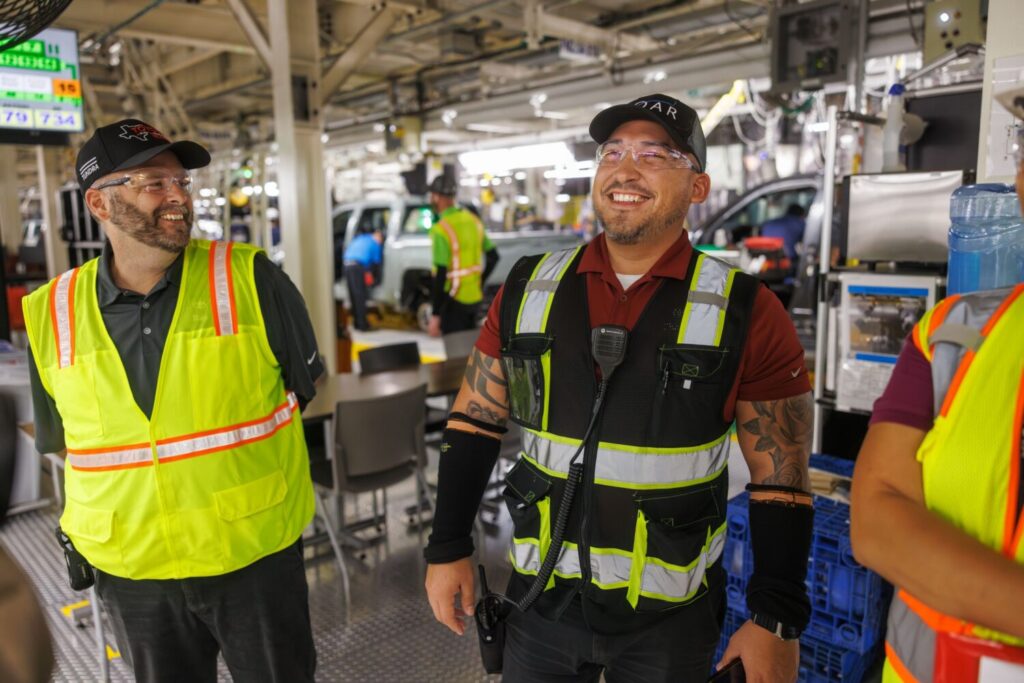
Toyota has asked the Commerce Department whether the tariff relief promised to Audi for a new Georgia plant also covers its $3.6 billion second assembly line in San Antonio.
The question comes from a company that paid more than $8 billion in US tariffs in its last fiscal year. The request puts the world’s largest automaker in line for a program the administration has so far discussed only in connection with Audi, and it comes four months after Toyota committed to the Texas expansion without any tariff deal attached. Toyota has not commented publicly on the request, and the Commerce Department has not said whether Toyota qualifies.
Automotive News reported the request on Monday under the headline that Toyota is awaiting word on US tariff relief while working to cut its bill, and summarized the situation by saying tariffs have kneecapped Toyota’s profitability in North America even as its mitigation efforts begin to have an impact. Jalopnik, relaying the report, said Toyota paid more than $8 billion in tariffs in the fiscal year that ended March 31, far more than any other automaker, and quoted Automotive News as saying that when Audi’s deal became public, "no one was more interested than Toyota Motor Corp." Toyota’s question to Commerce, according to both outlets, is whether the pre-election offer made to Audi for its $4 billion Georgia plant covers the Texas factory Toyota announced in July. Toyota has not confirmed the request, and the account rests on Automotive News’ reporting.
The Audi arrangement was first reported by Reuters on October 29, citing two sources who said the administration promised Audi tariff relief to help secure the Georgia plant and told the company it plans a broad relief program for automakers making major US production investments. Other announced US investments would also qualify, the sources said, with details expected in the coming weeks. Audi had pushed to cut the 15 percent tariff it pays on vehicles imported from the European Union to 7.5 percent, and the Commerce Department was expected to settle at around 10 percent. The department did not comment at the time. Audi CEO Gernot Doellner appeared with President Trump at a Georgia rally where Trump said the plant would build 200,000 SUVs a year, and Audi has said the investment will create about 4,500 jobs, with construction starting next year and production in the early 2030s. Volkswagen’s supervisory board still has to approve it.
Toyota’s own numbers show why it is asking. In the fiscal year that ended in March, Toyota reported a 1.38 trillion yen hit from US tariffs, and operating profit fell 21.5 percent to 3.76 trillion yen, with North America recording a sharp decline in profit because of the tariff costs. The picture improved in the quarter Toyota reported last week, as Toyota Report covered: North America earned 166.1 billion yen of operating income in the first half of the current fiscal year, against a 67.8 billion yen loss a year earlier, and Toyota said the region "returned to profitability largely due to price revisions and the reduced impact of U.S. tariffs." The company raised its full-year operating profit forecast to 3.9 trillion yen on the strength of that recovery.
The Texas project at the center of the request is the one Toyota announced on July 6. It adds a second vehicle assembly line and 2.5 million square feet to the San Antonio plant, doubling the campus by 2030, creates 2,000 jobs and moves Tacoma production from the Baja California plant in Mexico to Texas over roughly four years. Toyota put its total San Antonio investment at $8.3 billion since 2003 and said the local workforce would climb to about 6,000. The release made no mention of tariffs. It said Toyota "encourages a quick resolution to USMCA to make the North American region globally competitive," and the company’s chief financial officer told investors last week that the line could end up building more than the Tacoma.
For US buyers, the stakes are the tariff costs built into the price of every Toyota and Lexus that arrives from Japan or Mexico, and the 1.1 percent North American operating margin Toyota reported for the first half, which it reached by raising prices and keeping inventory tight. A lower tariff rate on Toyota’s imports would widen that margin before any new Texas-built Tacoma rolls off the line, and the first of those is years away under the four-year transition Toyota described.
The Toyota Report Take
Toyota is asking for something after it has already paid, which is the weakest position a company can negotiate from. Audi got its promise before it put a shovel in the ground, and the whole point of the program as Reuters described it is to pull in new factories, not to reward ones already announced. Toyota’s argument is that a $3.6 billion line and 2,000 jobs are exactly the kind of investment the policy says it wants, and that it should not be penalized for moving first.
The administration’s own sources said other announced investments would qualify, so the question is not frivolous, and Toyota has the biggest tariff bill in the industry to make its case with. If Commerce says yes, the company that has treated tariffs as permanent since July gets a discount on a decision it had already made. If the answer is no, Toyota is left doing what it told investors it would do anyway: build more in Texas and North Carolina and raise prices to cover the rest.
More on the Tacoma
Related
Jeep Let Go of the Clutch, So the Tacoma Now Shifts Alone
The 2027 Toyota Tacoma keeps its six-speed manual transmission, and with no manual Jeep Gladiator on the order sheet for 2027, it is now the only new pickup…
Toyota Tacoma Deals for November 2026: Leases From $249 a Month
Toyota is offering the 2026 Tacoma SR5 on a lease from $249 a month and financing from 0% for 36 months on the 2026 Tacoma this month.
America Wants a Hybrid Pickup, Just Not the Tacoma
Toyota sold 22,985 Tacoma hybrids through September, while Ford sold 74,300 hybrid Mavericks over the same nine months, more than three for every one.
Comments (0)
Join the discussion